The T4C Travelling Materials & Practices Library was conceived in response to this question. Developed within the European project Tracks4Crafts, it stems from the desire to make visible the ecosystems of the project’s pilot partners: the materials they work with, the resources that sustain their practices, the processes through which matter is transformed, and the landscapes, workplaces and cultures in which Traditional Craft Knowledge is embedded.
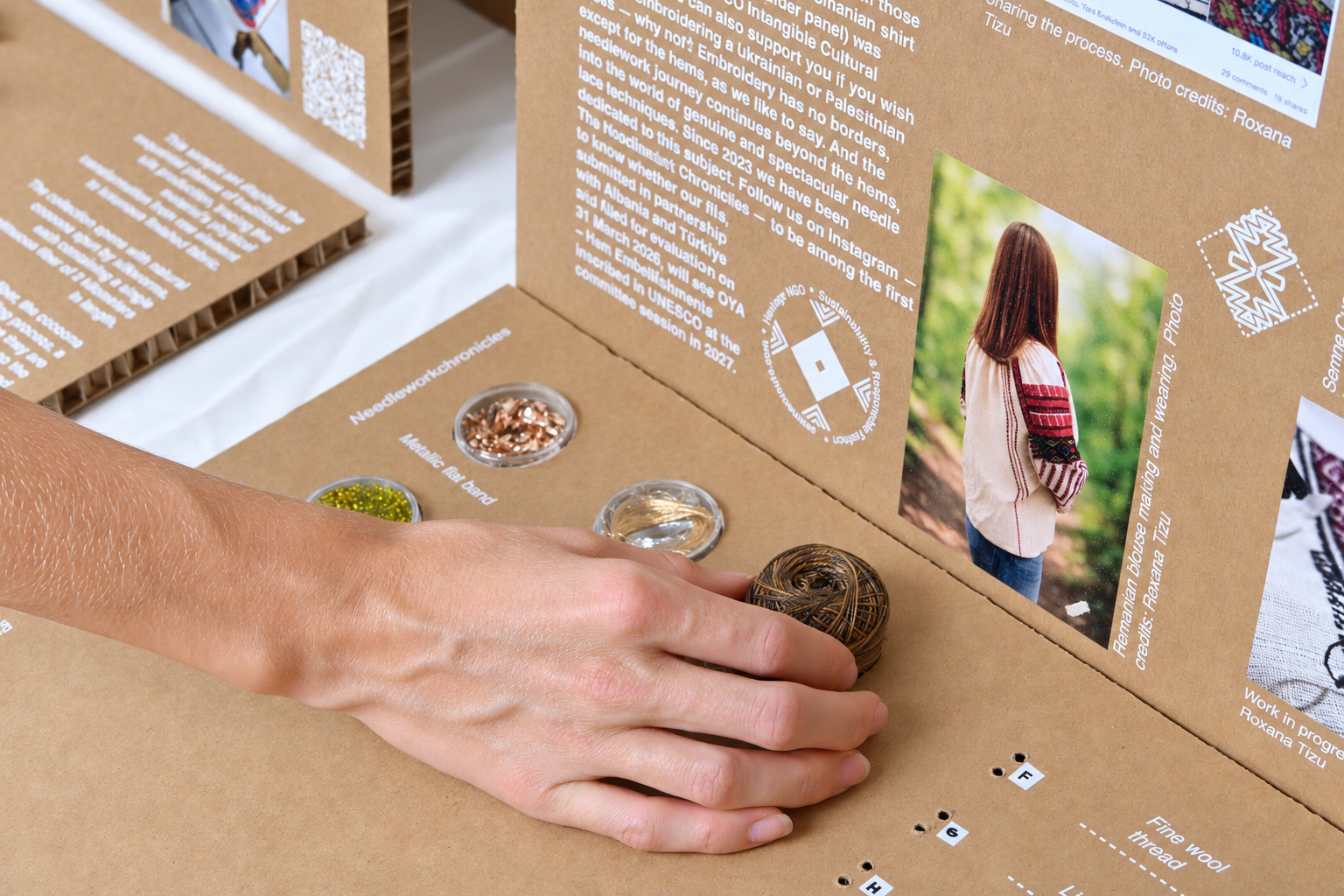
Drawing inspiration from contemporary materials design and the tools used to investigate, communicate and curate material experiences, the library proposes a tangible way to encounter craft knowledge. Across the project’s diverse contexts, materials emerged as a shared and meaningful point of connection. They are more than raw resources: they connect people, places, tools, skills and memories. They can carry technical knowledge, but also traditions, emotions, sensory qualities and cultural value. Their texture, weight, scent and transformation over time communicate dimensions of craft that are not always easy to convey or transmit.
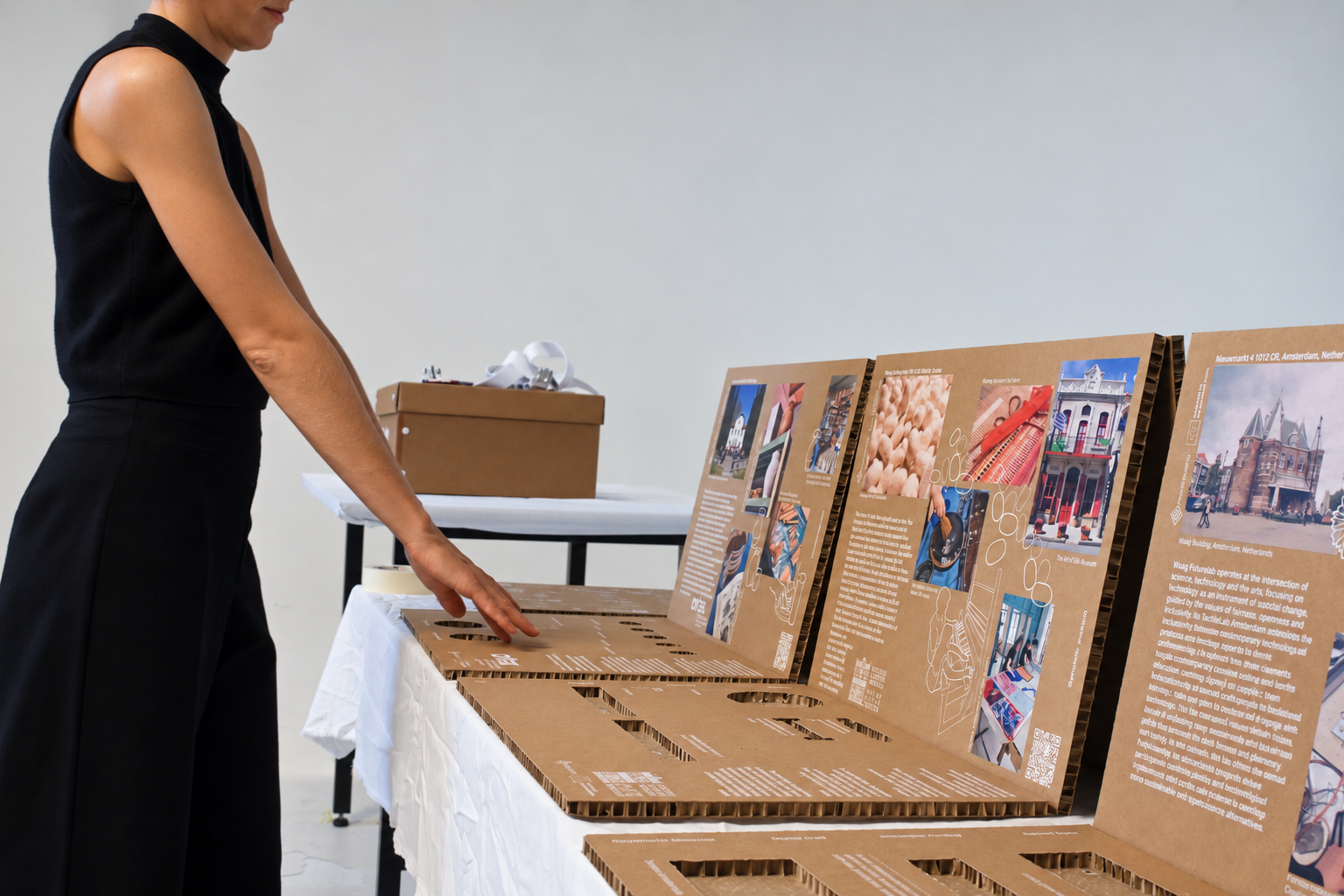
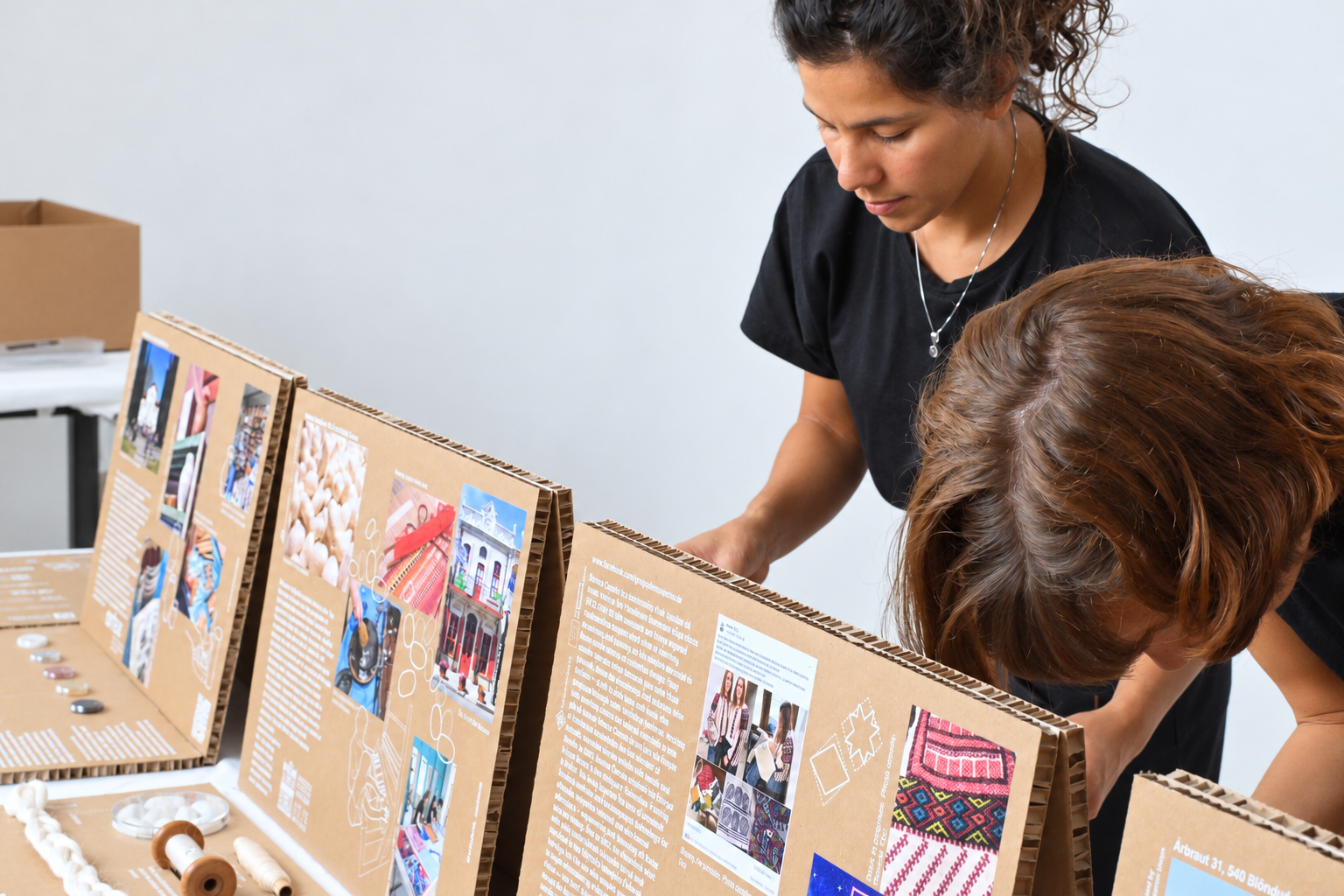
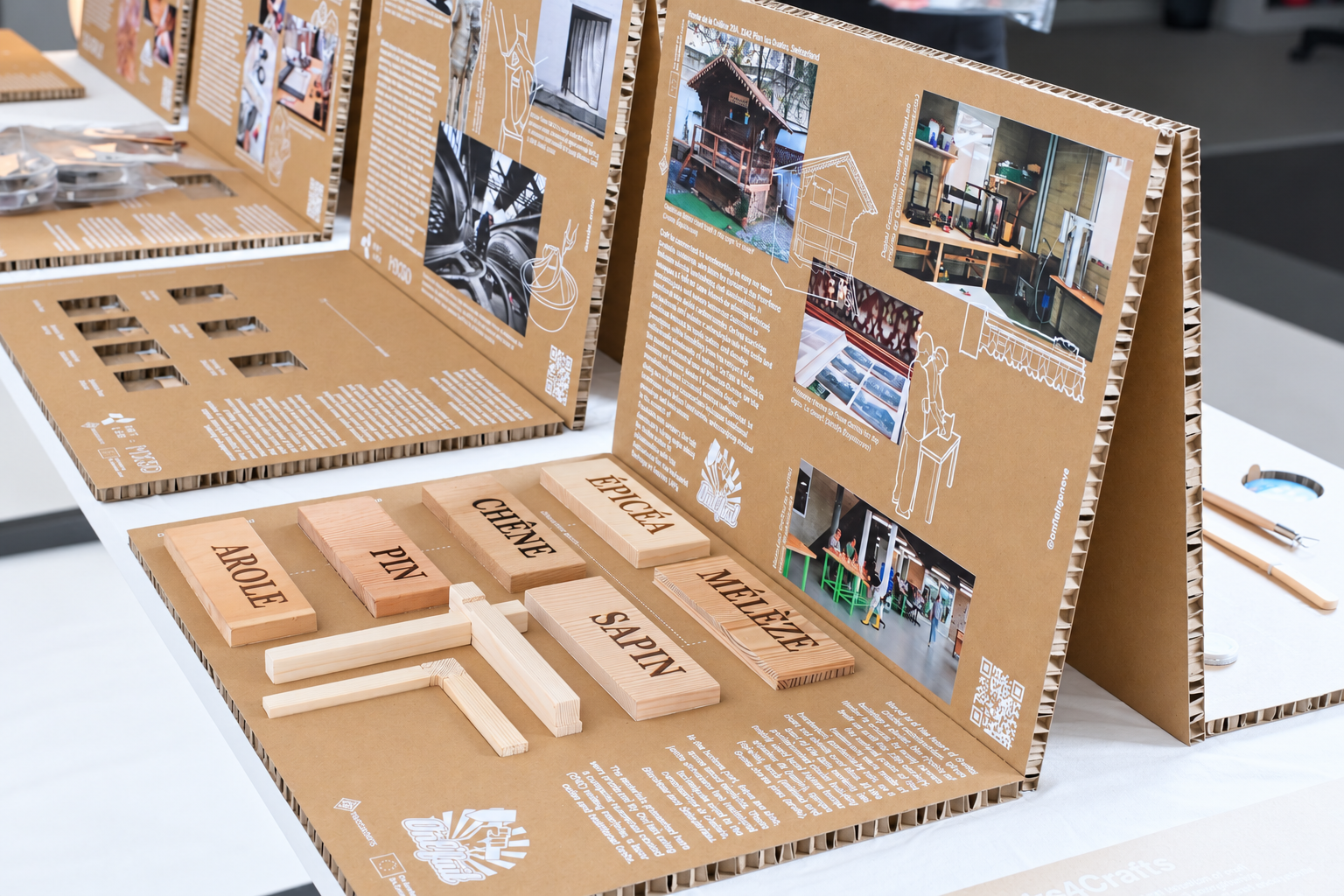
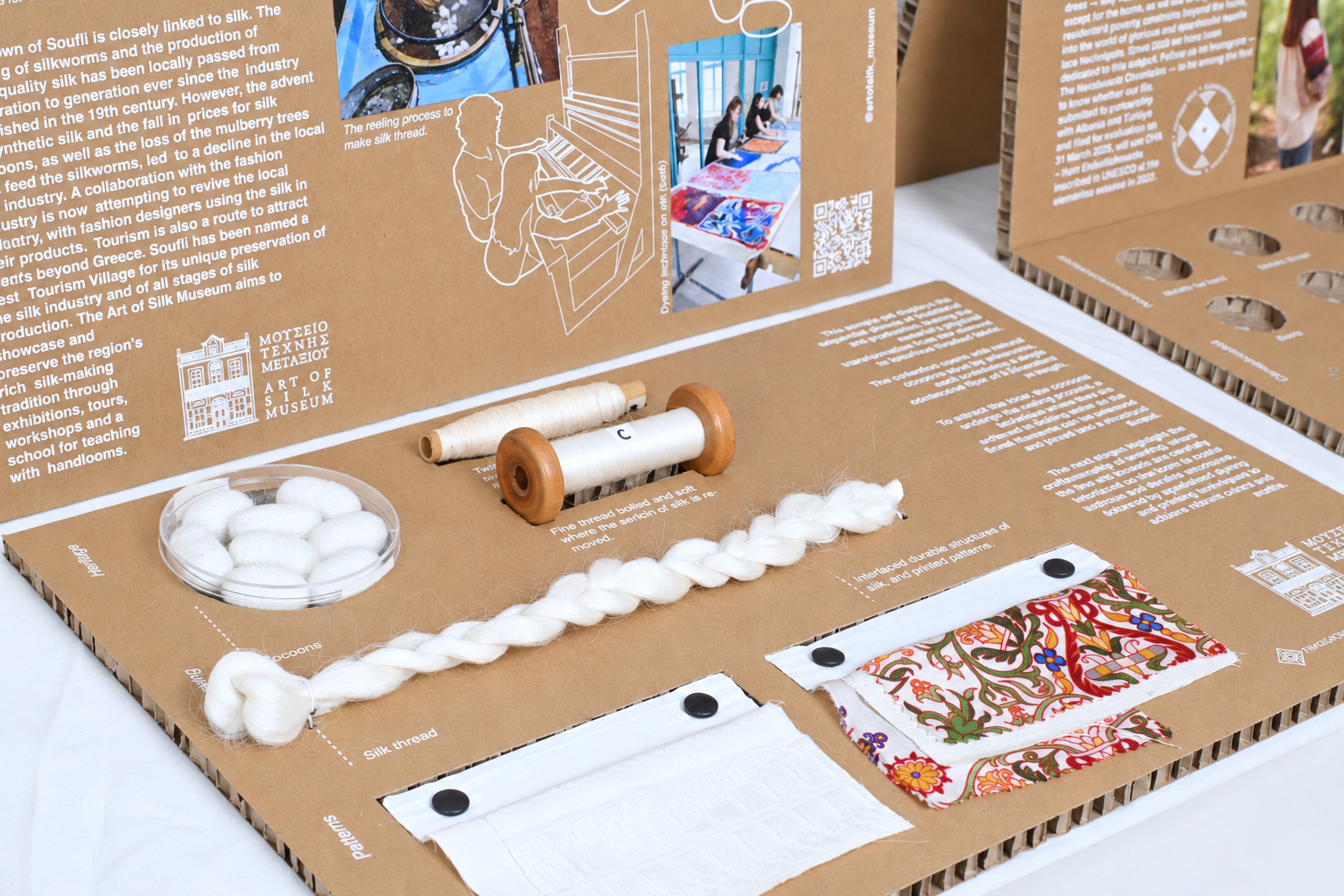
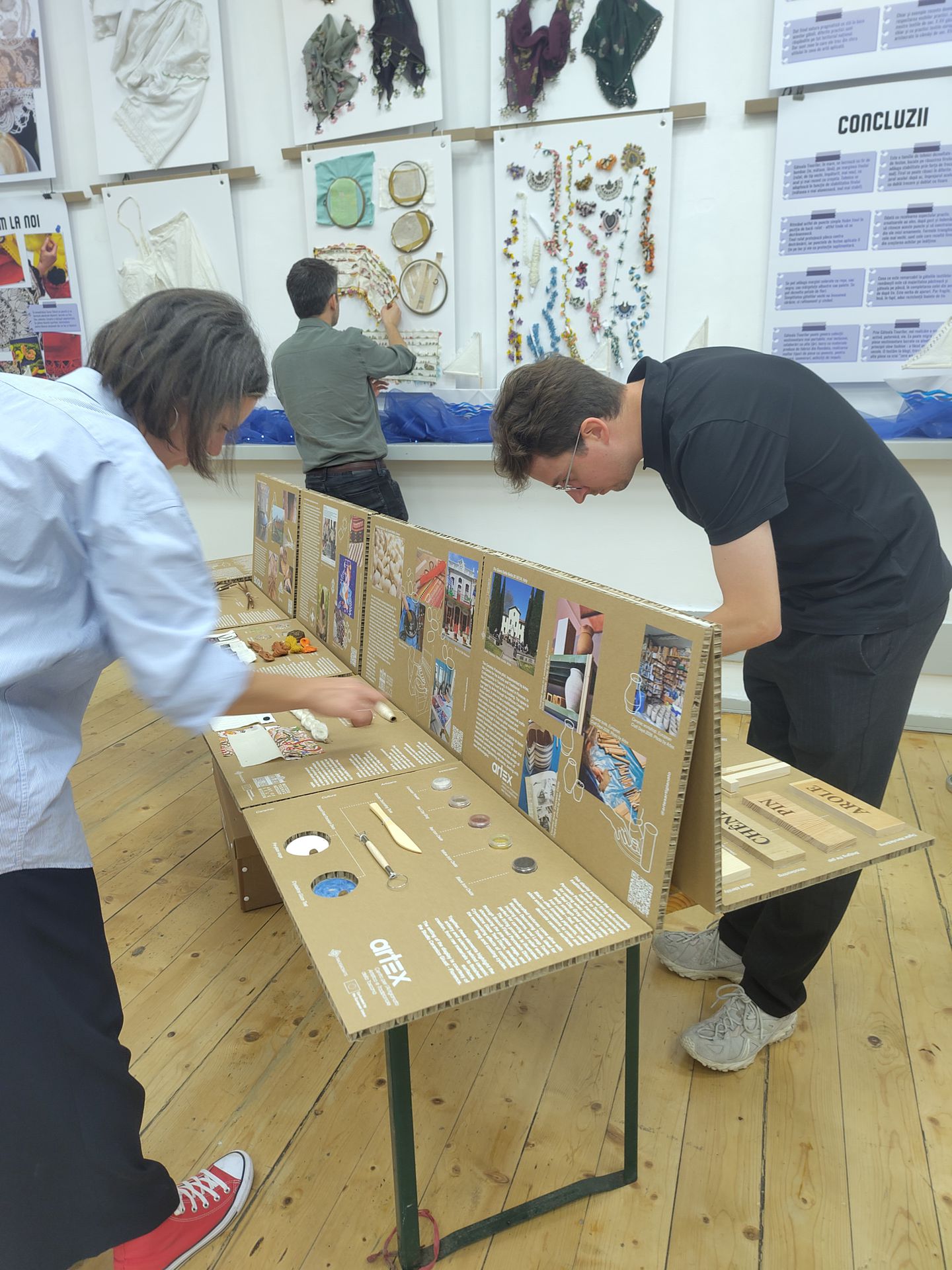
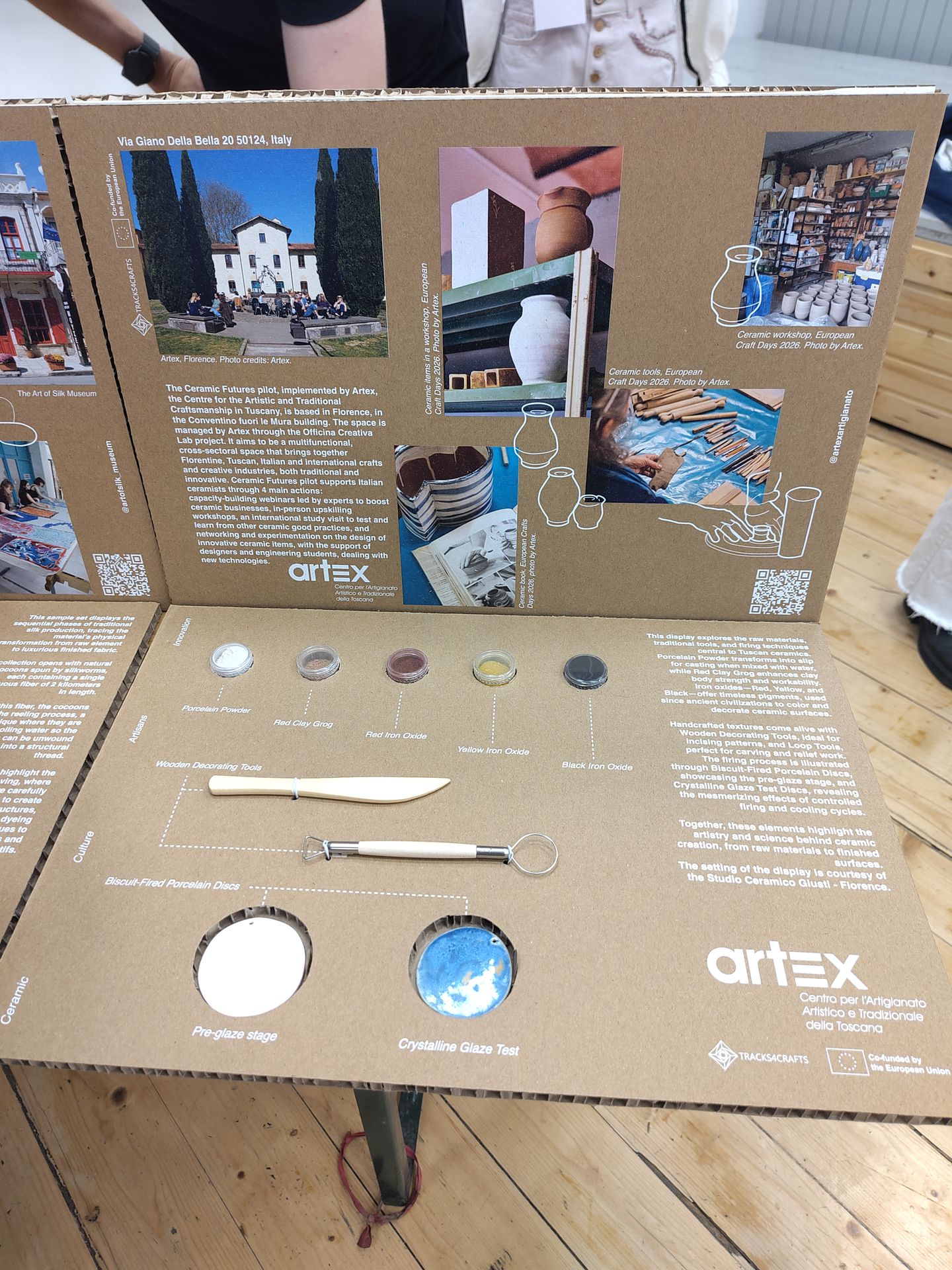
The library places these material encounters at the centre. It creates a small, transportable exhibition through which visitors can explore the value of materials and the cultures surrounding them. It brings together selected samples, resources and process-related elements, alongside the stories of eight Tracks4Crafts pilot partners and information about the wider project. Here, materials act as boundary objects: tangible points of entry through which different audiences can approach, discuss and connect with practices that may otherwise feel distant from their own experience. A material sample can become the starting point for questions about how something is made, where its resources come from, and how the knowledge needed to work with it is passed on.
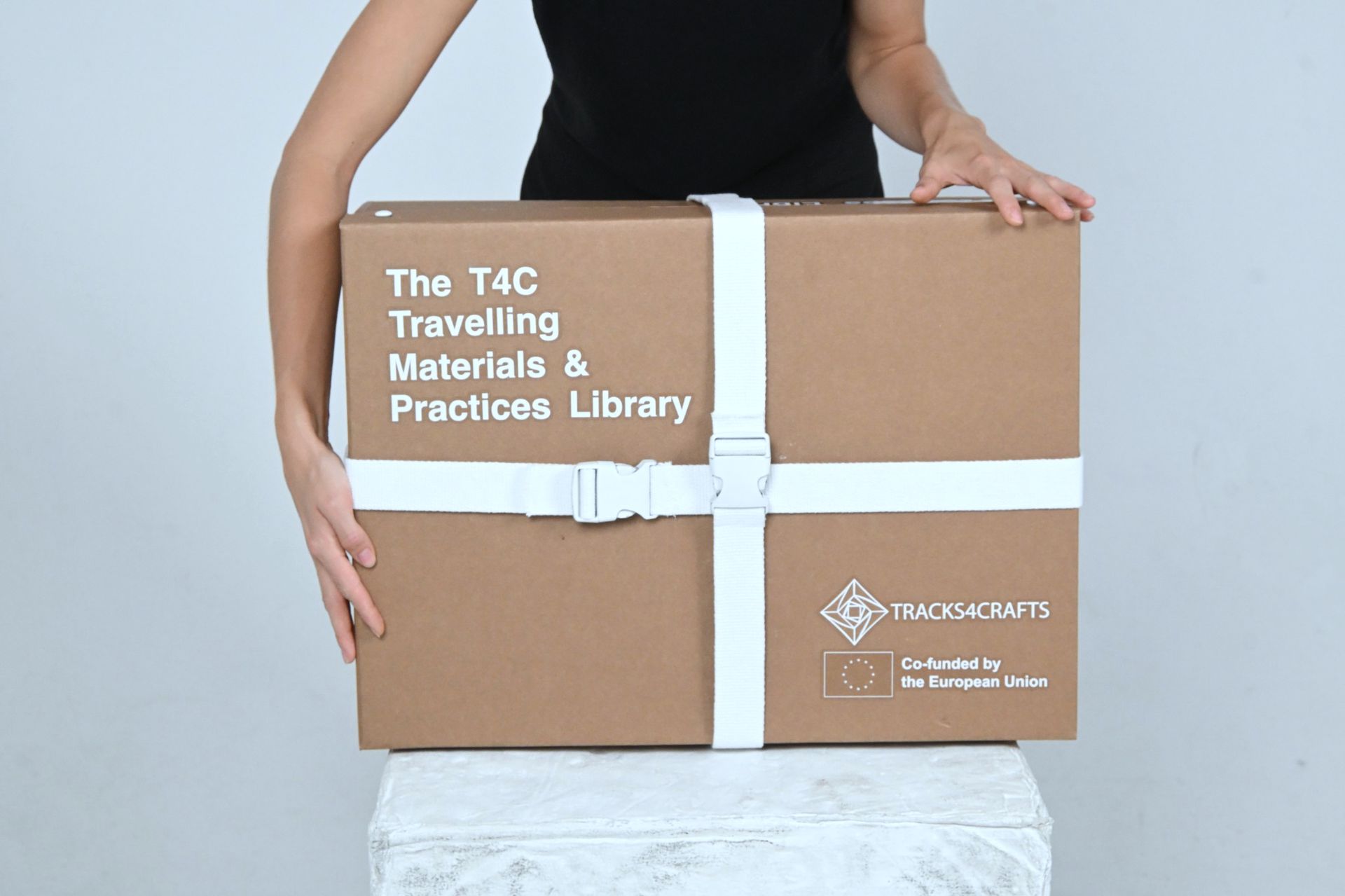
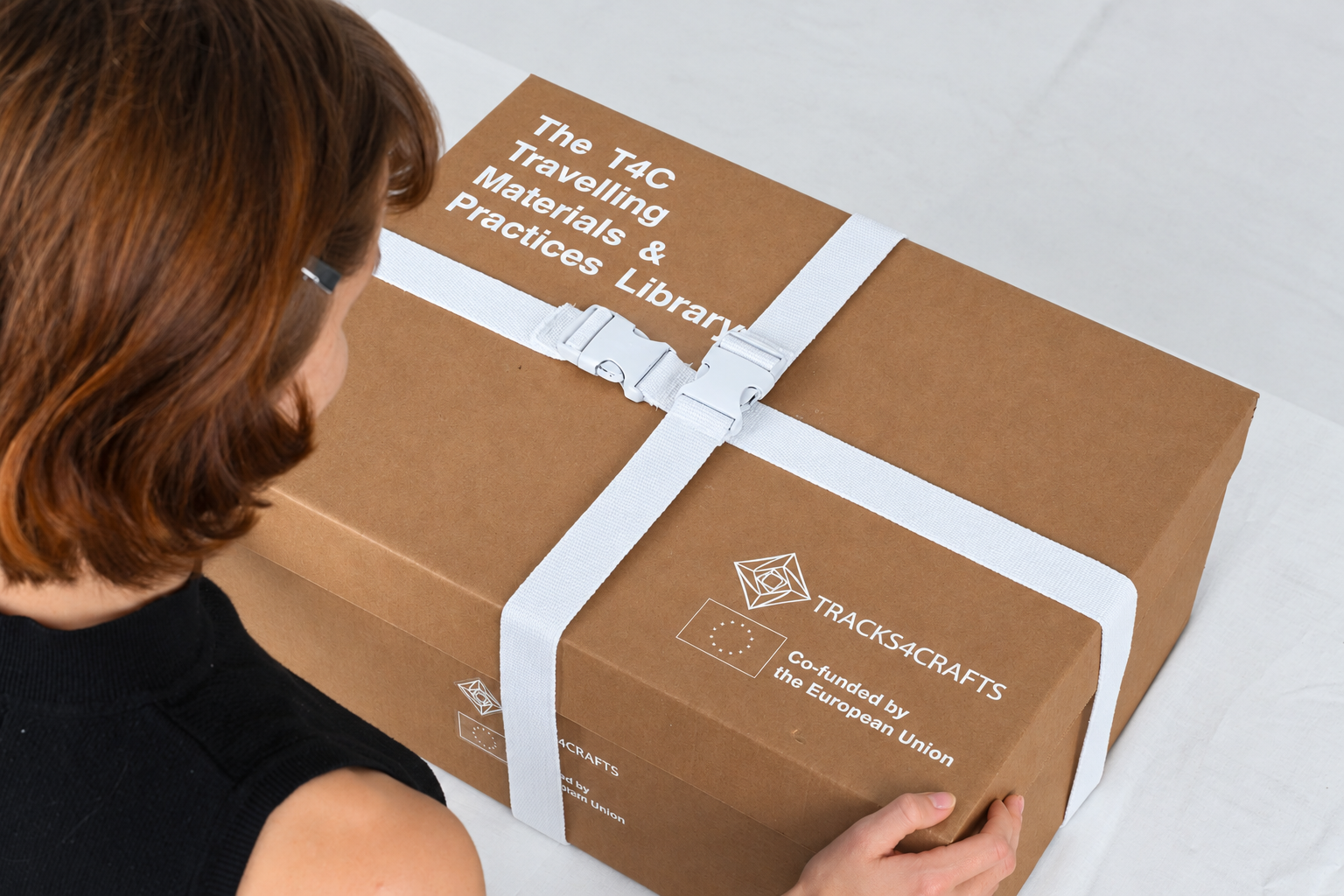
Inside a cardboard carry-on case, the collection unfolds through a series of lightweight, modular display structures. Each module presents materials and narratives linked to a pilot context, opening a window onto its resources, working spaces, landscapes and craft practices. The aim is not to offer an exhaustive representation of each ecosystem, but to make some of its material relationships perceptible and open to dialogue.
Designed strategically for mobility, the library has the dimensions of a standard carry-on suitcase—55 × 40 × 20 cm—yet expands into an exhibition of almost three metres. Its modular and easily assembled structures allow it to travel between project meetings, workshops, exhibitions and other contexts, carrying fragments of these craft realities while remaining flexible enough to adapt to different spaces. This portable format creates opportunities to introduce the pilot partners’ practices to new audiences and support exchanges across different craft contexts.
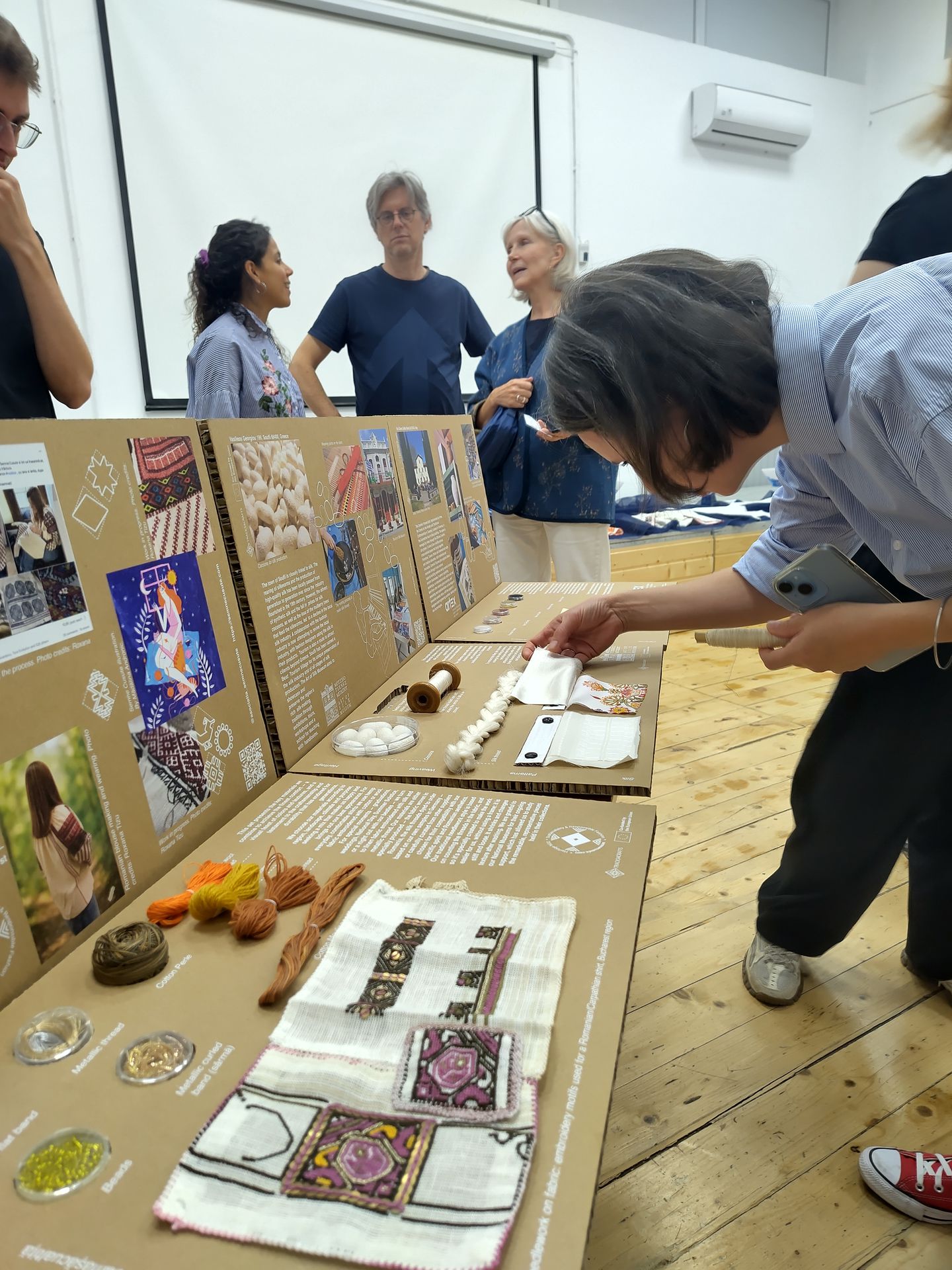
Tracks4Crafts partners had the opportunity to see the library during the Annual Meeting in Bucharest, exploring how the materials and stories from the different pilot contexts come together in a shared exhibition.
In this way, the T4C Travelling Materials & Practices Library becomes both a collection and a vehicle for knowledge. It conveys the tangible and intangible dimensions of craft: materials and tools, but also the expertise, places, memories and meanings that surround them. By bringing these elements into direct encounter, it invites visitors to consider heritage not as something static, but as a living and situated field of knowledge, sustained through practice, transmission and exchange.
The library was designed and coordinated by Dr. Sofia Soledad Duarte Poblete, Research Fellow in Tracks4Crafts, in collaboration with Sunjae Kim, Interior Design student, who contributed to the ideation and graphic design, under the supervision of Prof. Valentina Rognoli. Videomaking and model-making were developed by Selma Wittermann, with hands-on support from Francesco Cianfano and the Materials Design for Transition research group.
writing here...