
Pilot 6
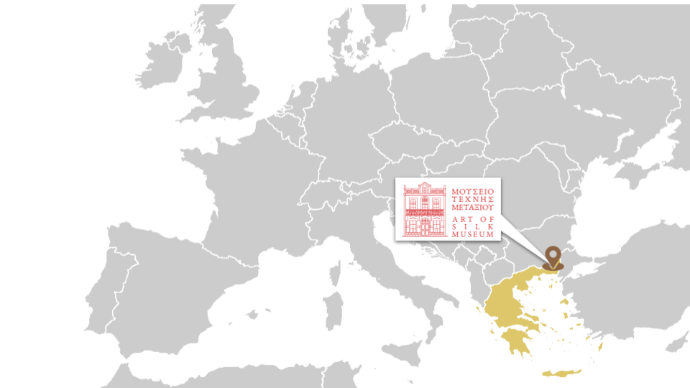
The Art of Silk Museum (Greece)
About Art of Silk Museum
The town of Soufli is closely linked to silk. The rearing of silkworms and the production of high-quality silk has been locally passed from generation to generation ever since the industry flourished in the 19th century. However, the advent of synthetic silk and the fall in prices for silk cocoons, as well as the loss of the mulberry trees that feed the silkworms, led to a decline in the local silk industry. A collaboration with the fashion industry is now attempting to revive the local industry, with fashion designers using the silk in their products. Tourism is also a route to attract clients beyond Greece. Soufli has been named a Best Tourism Village for its unique preservation of the silk industry and of all stages of silk production. The Art of Silk Museum aims to showcase and preserve the region's rich silk-making tradition through exhibitions, tours, workshops and a school for teaching with handlooms. Leftovers from silk production are used for creating products like rugs.
Digital applications of the pattern
The Team of the Art of Silk Museum created a digital repository of traditional silk aphrons from Soulfi region in order to preserve the heritage, document the patterns of local textiles and make it digitally available for anyone.
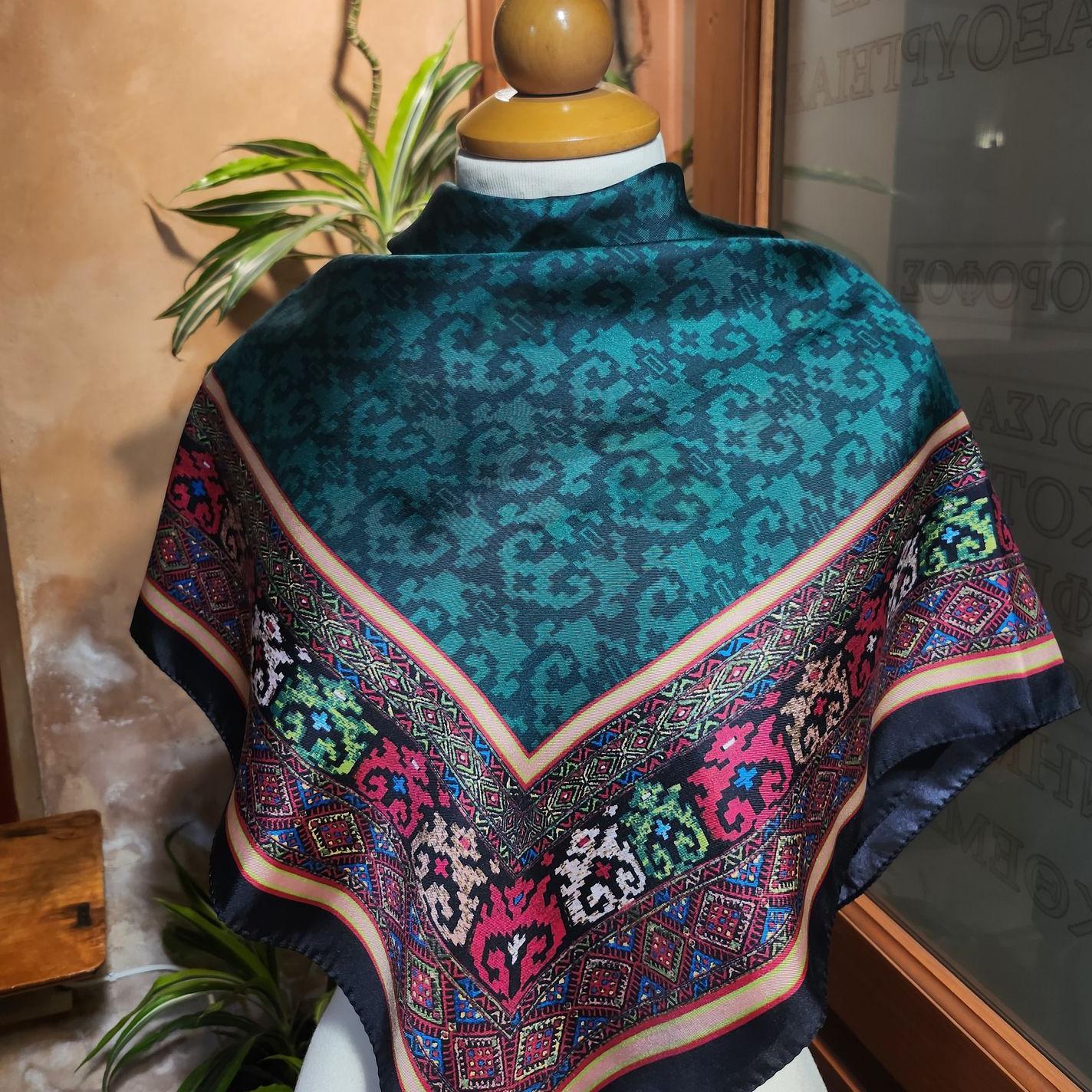
Thanks to the digitalisation of traditional patterns the collection of modern accessories was created - a set of silk scarfs - that are available for purchase to museum visitors.
Knowledge transfer
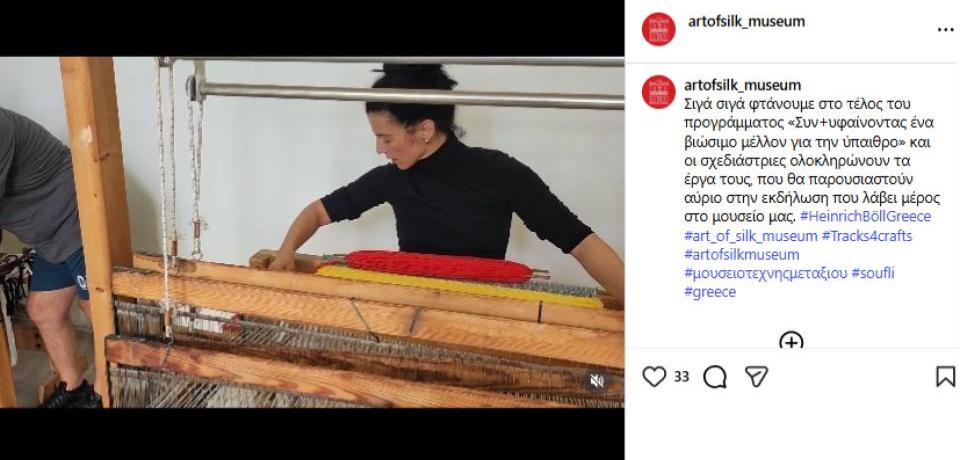
In September 2024 seven talented designers from the Creative Design and Clothing Department of the New International Hellenic University met with two experienced weavers to immerse themselves in the art of weaving and natural dye on silk.
They explored weaving on handlooms and the intricate techniques of traditional silk weaving.
Learned sustainable ways to create beautiful patterns using ecoprint on silk fabric.
Discuss about fashion, crafts, sustainability, and cultural heritage.
Participants also had a chance to tour Soufli and discover the rich history of silk production in the region.
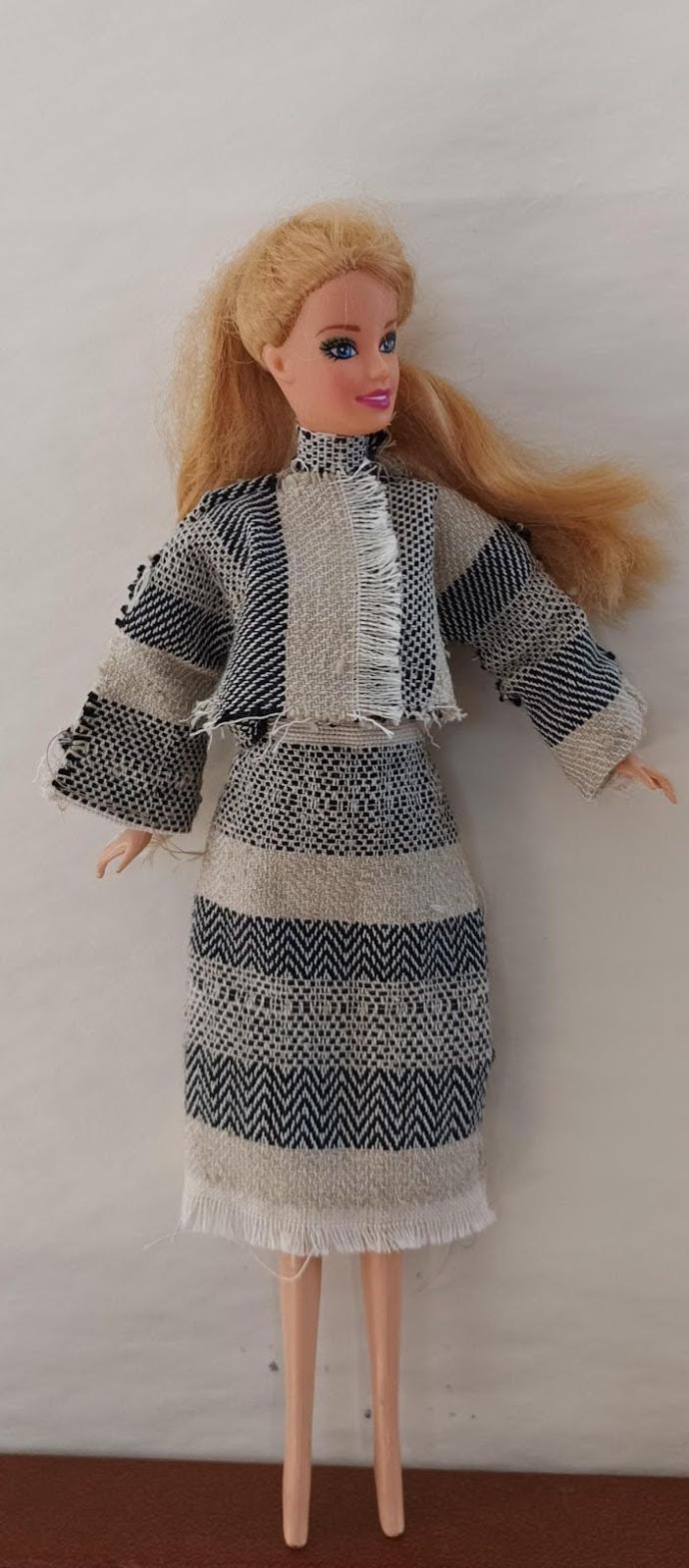
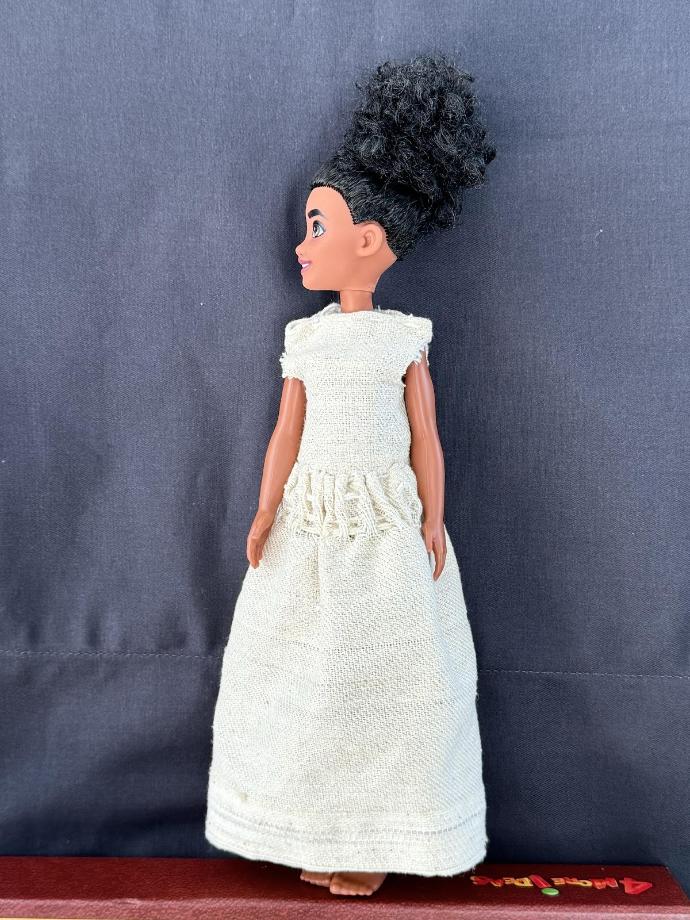
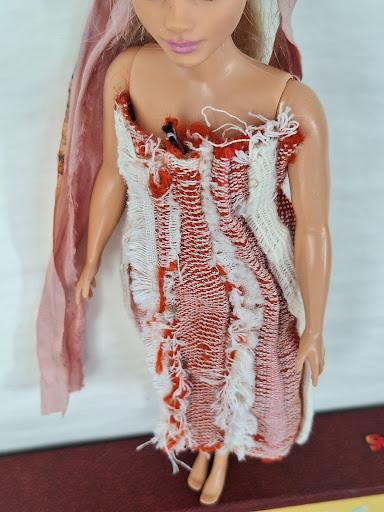
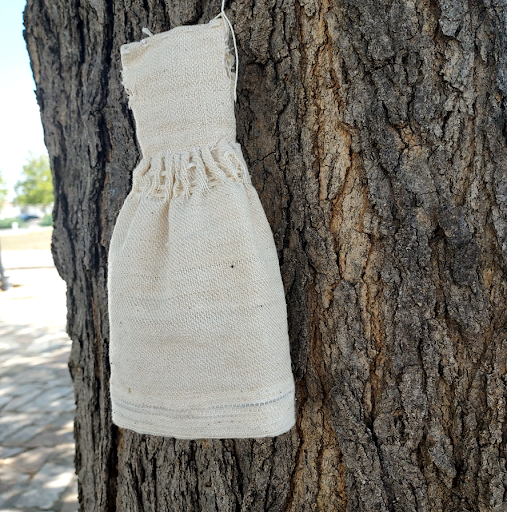
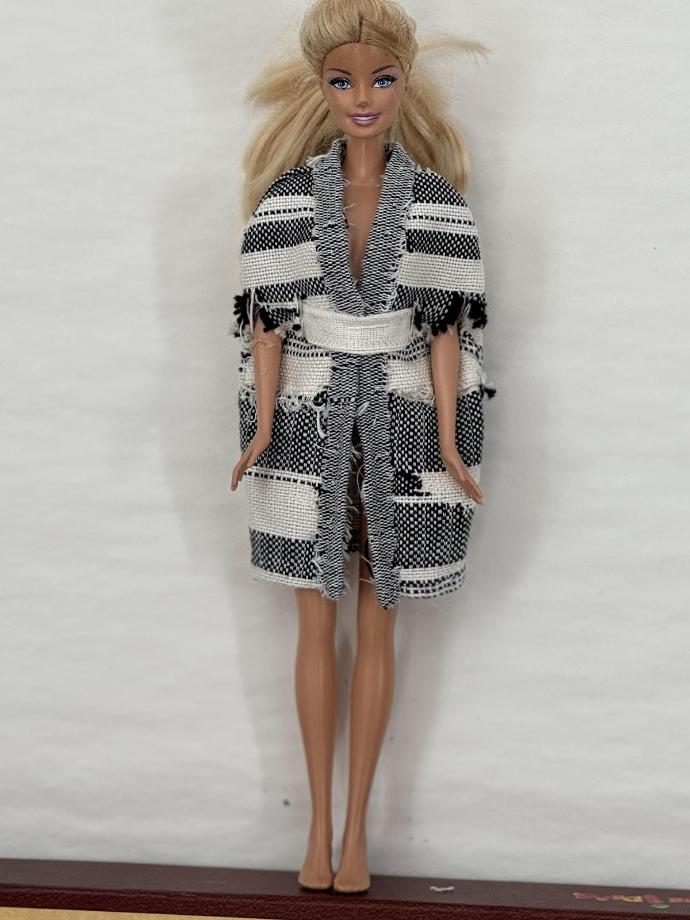
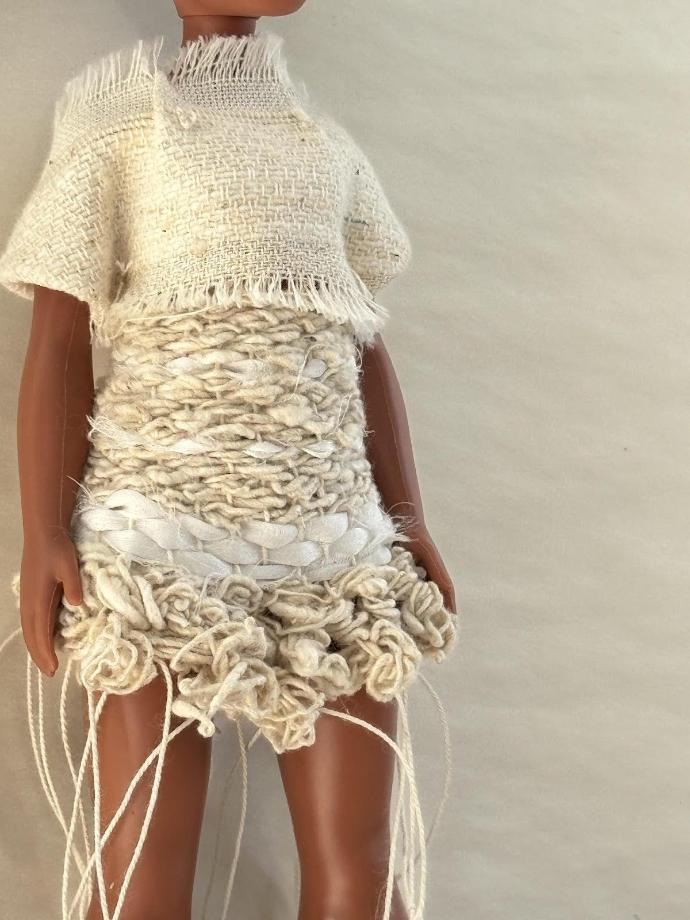
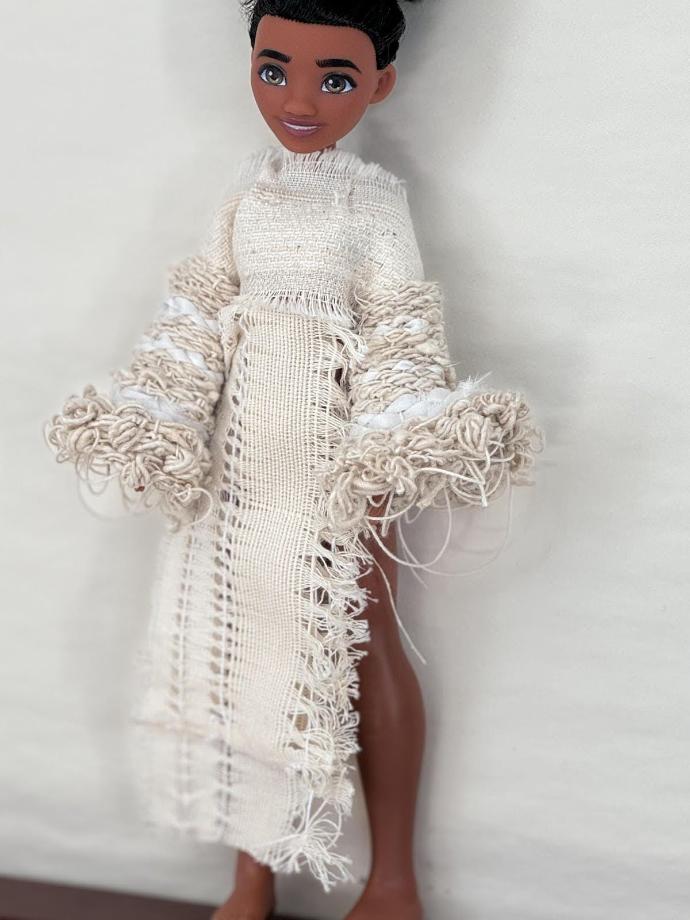
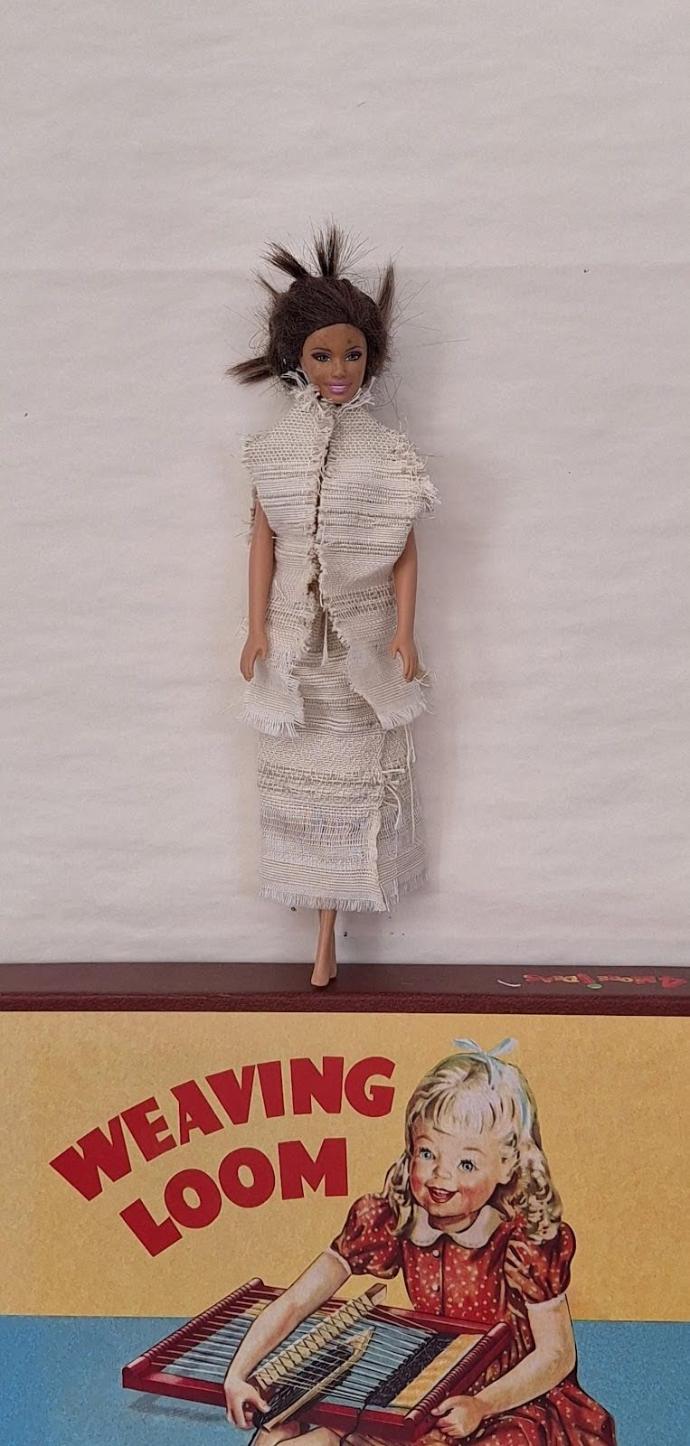
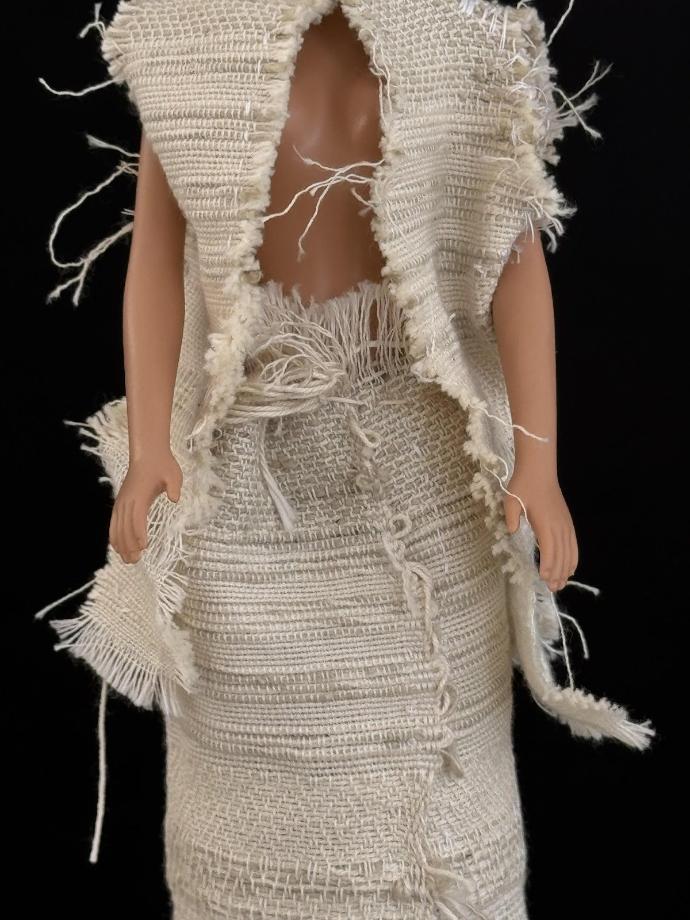
A spontaneous outcome of the workshop was the creation of a Mini Haute Couture collection. While the small garments are not made of silk, they reflect the students’ personal artistic creativity 🙂.
Activities
-
Digitise traditional patterns and experiment with printing these on clothing, accessories and household items.
-
Examine how digital looms can apply complex traditional patterns to modern fabrics for haute couture.
-
Create a digital exhibition to inspire fashion designers’ new collections.
Results
-
A set of digitised traditional patterns and a digital exhibition.
Impact
-
Options for digitally preserving traditional handcrafted woven motifs and patterns so that they can be used in new applications and made available to designers and other users.